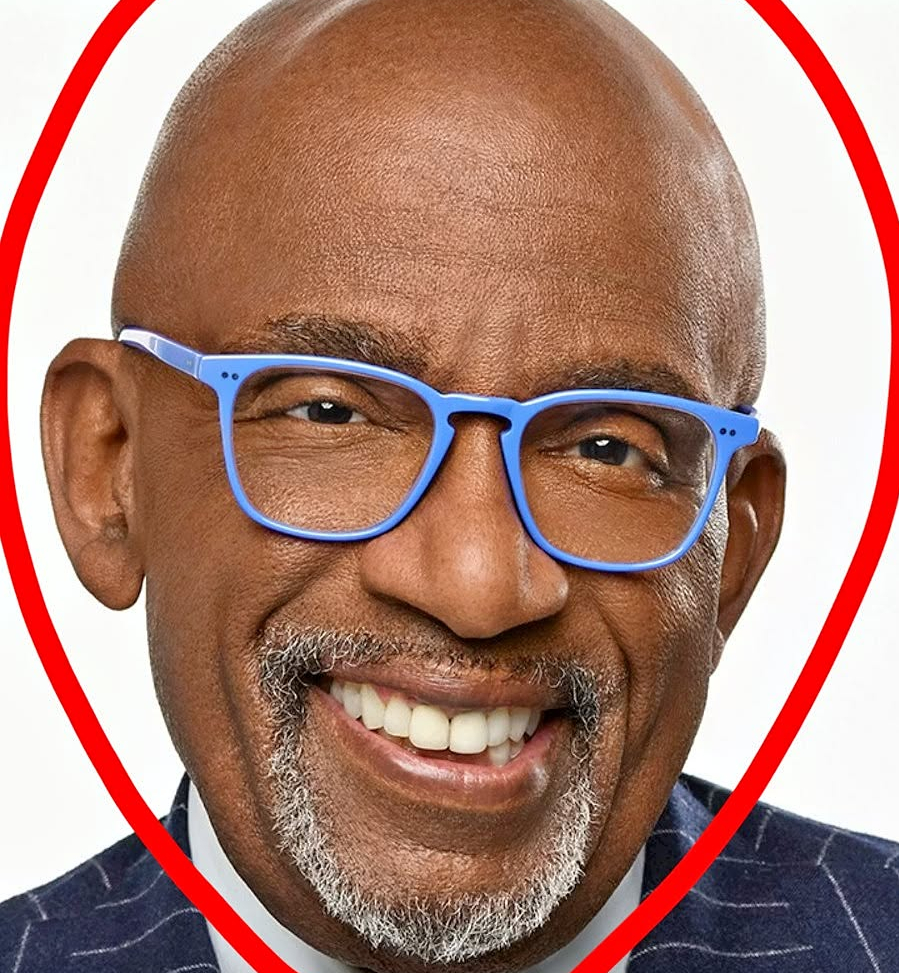
Beyond the Forecast: Al Roker’s Inspiring Health Journey, Resilience, and Enduring Legacy on Morning Television
A Familiar, Comforting Presence in American Living Rooms
For more than three decades, Al Roker has been much more than just a weatherman; he has been a comforting, constant presence in the daily lives of millions of Americans. As the longtime weather and feature anchor for NBC’s flagship *Today* show, Roker has built a legacy defined by his booming laugh, his infectious humor, his profound warmth, and his seemingly effortless ability to connect with viewers through the television screen.
Whether he is standing on the windy plaza of Rockefeller Center in a torrential downpour, interviewing A-list celebrities, or sharing a lighthearted joke with his co-hosts during the third hour of the broadcast, Roker projects an image of boundless energy and unshakeable optimism. Recent appearances in September 2026 confirm that he remains a vital, active, and beloved member of the *Today* team.
However, behind the bright studio lights and the cheerful morning greetings, Roker has navigated a series of profound and life-altering medical challenges. His journey through severe illness, major surgeries, and grueling recoveries has not only tested his physical limits but has also transformed him into a powerful advocate for preventive healthcare, masculinity, and resilience.
The Prostate Cancer Diagnosis: A Wake-Up Call in a Global Crisis
One of the most pivotal and frightening chapters of Roker’s life unfolded in November 2020, against the bleak backdrop of the global pandemic. It was during this time of widespread health anxiety that Roker publicly revealed he had been diagnosed with prostate cancer.
The cancer was not discovered through physical symptoms, but rather through routine blood work that indicated an elevated Prostate-Specific Antigen (PSA) level. Roker has since spoken extensively about this moment, noting that the diagnosis was a stark reminder of the critical importance of regular medical examinations. He has pointed out that during the height of the pandemic, many men—himself included—might have been tempted to postpone routine check-ups out of fear of exposure or a desire not to burden the healthcare system. His eventual screening, however, caught the cancer early.
Roker underwent robotic surgery to remove his prostate and surrounding tissue. The physical recovery from such a major procedure was arduous, requiring immense patience and physical therapy. Follow-up testing eventually showed undetectable cancer levels, a massive relief that allowed him to return to the air. Today, he continues to undergo rigorous, regular medical monitoring to ensure the cancer does not return.
Championing Men’s Health and Addressing Racial Disparities
Rather than retreating into privacy, Roker made the conscious decision to use his massive platform to turn a terrifying personal experience into a vital public health conversation. He has been fiercely outspoken about prostate cancer screening, urging men to stop ignoring their bodies and to have honest conversations with their doctors.
Crucially, Roker has used his experience to highlight the severe health disparities affecting Black men. Statistically, Black men are at a significantly higher risk of developing prostate cancer, are often diagnosed at younger ages, and face higher mortality rates from the disease. Furthermore, cultural stigmas and a pervasive sense of stoicism often discourage men, particularly men of color, from seeking preventive medical care. By sharing his own vulnerability, Roker has helped dismantle the toxic masculinity that tells men they must “tough out” their health issues, saving countless lives by encouraging early detection.
A Sudden and Severe Medical Emergency: Blood Clots and Internal Bleeding
Just as Roker was finding his footing after his cancer treatment, he was struck by another massive health crisis. He was rushed to the hospital due to a severe complication involving blood clots and internal bleeding.
This medical emergency was incredibly dangerous and forced him to step away from the *Today* show for an extended period. The suddenness of the hospitalization was a jarring reminder to his audience—and to Roker himself—that the human body is fragile, and that a person known for his relentless vitality can be brought to a standstill in an instant.
During this harrowing time, the physical toll was compounded by the emotional weight of being away from the show he loved. The blood clot issue also led to a period of weight gain due to the steroids used to treat the inflammation and the physical inability to exercise, creating a secondary health hurdle he would later have to overcome.
The Gastric Bypass and the *Start TODAY* Journey
Roker’s medical history is extensive, and his struggles with his weight have been a lifelong battle. Over the years, he has undergone multiple surgeries, including knee procedures to repair joint damage exacerbated by his weight. However, his most transformative physical intervention was his gastric bypass surgery, which he underwent to take control of his metabolic health and reduce the strain on his heart and joints.
Roker has been remarkably candid about the realities of weight loss. He does not present it as a magical, permanent “fix,” but rather as a daily, ongoing process of maintenance and discipline. He has spoken about the psychological challenges of changing lifelong eating habits and the difficulty of staying motivated over the long haul.
To help others, he became a driving force behind the *Start TODAY* wellness community. This initiative shifts the focus away from crash diets and extreme workouts, advocating instead for sustainable, manageable lifestyle changes. Walking, in particular, became a cornerstone of his post-surgery and post-cancer recovery. He frequently credits the simple, daily act of walking with helping him regain his physical strength, clear his mind, and maintain his cardiovascular health.
The Village: How Family and Colleagues Made the Difference
A recurring and deeply touching theme in Roker’s health narrative is the vital role of his support system. He has frequently and effusively credited his wife, acclaimed ABC News correspondent Deborah Roberts, with being his anchor during his darkest medical moments.
Roker has spoken about the immense value of having a “medical advocate.” When a patient is scared, groggy, or overwhelmed, it is difficult to process complex medical information. Deborah’s ability to sit in the doctor’s office, listen carefully, ask the hard questions, and fiercely advocate for his care made a monumental difference during his prostate cancer treatment. He now uses his platform to remind all patients: *Do not go to major medical appointments alone. Bring an advocate.*
Furthermore, Roker has opened up about the emotional difficulty of allowing his children to step into the role of caregiver. As a father who has always been the provider and protector, having to rely on his children—including his son, who is a physician—required a profound shift in perspective and a deep embrace of vulnerability.
He also received immense emotional support from his *Today* family. Co-hosts like Savannah Guthrie, Hoda Kotb, Craig Melvin, and Dylan Dreyer, along with the behind-the-scenes crew, visited him, sent messages, and kept his spirit high. Their camaraderie proved that a strong workplace community can be a powerful healing tool.
Thirty Years on *Today*: An Unprecedented Milestone
Amidst his health battles, Roker achieved a monumental career milestone. Having joined the *Today* show as its regular weather anchor in 1996, he recently celebrated his 30th anniversary with the program.
In the fast-paced, often unforgiving world of broadcast television, three decades is an eternity. Roker has survived shifting cultural tides, the transition from analog to digital media, the tragic events of 9/11, the 2008 financial crisis, the global pandemic, and countless changes in co-hosts and executive producers. Through it all, he has remained the steady, smiling constant.
When discussing this 30-year milestone in 2026, Roker expressed profound gratitude and reiterated his continued enthusiasm for his work. He has indicated no plans for immediate retirement, noting that he still loves the energy of live television and the connection with the audience. For millions of viewers, Roker has been the backdrop to their lives—present during their childhood mornings, their commutes to work, and now, as they watch with their own children and grandchildren.
Debunking the Rumor Mill: His Current Status in 2026
In the digital age, the health of beloved public figures is often subject to intense scrutiny, leading to the rapid spread of misinformation. Dramatic, clickbait headlines about a celebrity’s declining health or sudden passing frequently circulate on social media.
It is important to state clearly: **Current, verified information confirms that Al Roker is not facing any newly announced, severe health emergency.**
As of September 2026, Roker is thriving. He continues to appear daily on *Today*, joke effortlessly with his colleagues, participate in live remote broadcasts, and remain highly active professionally. In June 2026, he was seen filming a lively feature in Atlantic City with fellow meteorologist Dylan Dreyer, showcasing his enduring mobility and high spirits. While his past medical challenges—particularly the prostate cancer and the blood clot hospitalization—were undeniably serious and understandably continue to generate public interest and concern, he is currently in a stable, active, and healthy place.
A Legacy of Recovery, Awareness, and Hope
Al Roker’s health journey is a masterclass in resilience. It is a story that includes frightening diagnoses, invasive surgeries, and the deep uncertainty that accompanies serious illness. Yet, it is equally a story about the life-saving power of preventive care, the necessity of a strong support system, and the importance of listening to medical professionals.
By choosing to share his vulnerabilities, Roker has elevated his public role from that of a beloved television personality to a genuine public health advocate. He has taught his audience that it is okay to be afraid, but it is not okay to avoid the doctor. He has shown that health is not a destination, but a daily commitment.
Ultimately, Al Roker’s enduring appeal lies in his authenticity. He doesn’t just forecast the weather; through his own life, he forecasts hope. For viewers who have faced their own battles with cancer, chronic illness, or long recoveries, Roker’s continued presence on their screens is a comforting reminder that life, with all its storms, can be weathered. And for now, the forecast for Al Roker remains incredibly bright: he is active, he is working, and he is continuing to inspire the audience that has loved him for thirty years and counting.
While Al Roker is universally recognized for his booming laugh, sunny disposition, and comforting presence on morning television, his public persona masks a deeply complex and often difficult personal history. Behind the polished broadcasts and cheerful forecasts lies a “secret history” of profound personal struggles, early career rejections, and quiet battles that have shaped the man he is today.
Here is a look at the lesser-known, behind-the-scenes realities of Al Roker’s life and career:
1. The Hidden Battle with Food Addiction and Weight
Long before his recent health scares, Roker fought a decades-long, deeply personal battle with his weight, which peaked at over 340 pounds. While the public often viewed his weight simply as a physical trait, Roker has been candid about the fact that it was rooted in a severe food addiction and emotional eating . For years, he cycled through failed diets, public scrutiny, and the physical toll of obesity, which included severe joint damage requiring multiple knee surgeries. His decision to undergo gastric bypass surgery in 2002 was not a quick fix, but a last resort after years of silent struggle. He has since spoken openly about the psychological difficulty of maintaining weight loss, the reality of excess skin, and the strict, lifelong discipline required to stay healthy, dismantling the myth that his transformation was easy or purely cosmetic.
2. Early Career Rejections and Humble Beginnings
Before becoming a broadcast icon, Roker faced significant professional hurdles. As a young man, he was fired from a supermarket job, an early humiliation he has occasionally reflected on with humor. More significantly, breaking into the television industry as a young Black man in the 1970s and 1980s was an uphill battle. Meteorology and broadcast journalism were overwhelmingly white fields, and Roker faced early skepticism and limited opportunities. He had to work relentlessly at smaller local stations (like WKYC in Cleveland and WJBK in Detroit) before catching the attention of NBC, proving that his path to the *Today* show was paved with rejection and perseverance.
3. The Personal Toll on His First Marriage
Roker’s relentless drive to succeed in his early career, combined with his private struggles with weight and self-esteem, took a heavy toll on his personal life. He was married to his first wife, Alice Bell, from 1984 to 1994, and together they adopted a daughter, Courtney. However, the intense pressures of his rising career, frequent travel, and the strain of his personal health battles contributed to the eventual breakdown of the marriage, leading to an amicable but painful divorce finalized in 1995. While they remained connected through their daughter, this period represents a quiet, difficult chapter of his life that contrasts sharply with his famously happy second marriage to journalist Deborah Roberts, whom he met in 1990 but could not fully commit to until his first marriage had ended.
4. Navigating Racial Discrimination in the Public Eye
Behind the scenes, Roker has had to navigate the subtle and overt realities of racial discrimination throughout his life and career. He has shared poignant stories of this, such as an incident in New York City where a taxi driver deliberately ignored him while stopping for a white passenger right in front of him. As one of the most visible Black men on American television, he has also carried the heavy, unspoken burden of representation. He has noted the pressure of having to be “twice as good to get half the recognition,” knowing that any misstep could be unfairly magnified because of his race.
5. The Chaotic Reality Behind the *Today* Show Smile
In his memoirs, particularly *You Look So Much Better in Person: True Stories of Absurdity and Success*, Roker pulled back the curtain on the high-stress, often chaotic reality of live morning television. While viewers see a seamless, cheerful broadcast, Roker has detailed the behind-the-scenes absurdities, technical nightmares, ego clashes, and the immense pressure of waking up at 3:30 a.m. every day to deliver perfection. He has written about the emotional whiplash of having to deliver tragic national news one minute and seamlessly transition to a lighthearted cooking segment the next, a psychological tightrope walk that few outside the industry understand.
6. The Vulnerability of Fatherhood and Illness
Roker has also been surprisingly candid about the hidden insecurities of fatherhood and aging. In his earlier book, *Don’t Make Me Stop This Car!*, he explored the fears and uncertainties of raising children, stepping away from the “perfect TV dad” image to share his genuine mistakes and anxieties. More recently, his severe health scares (prostate cancer and blood clots) forced him to confront a profound vulnerability. As a man accustomed to being the provider and protector, he has admitted how emotionally difficult it was to accept help from his wife and children, requiring a complete shift in his mindset and ego.
Summary
The “secret history” of Al Roker is not one of scandal, but of profound human resilience. The cheerful man greeting America every morning is the result of someone who has survived early career rejections, the silent agony of food addiction, the heartbreak of a failed marriage, the sting of racial prejudice, and life-threatening health crises. His willingness to eventually bring these hidden struggles into the light is what has transformed him from a mere television personality into a deeply trusted, authentic, and inspiring public figure.