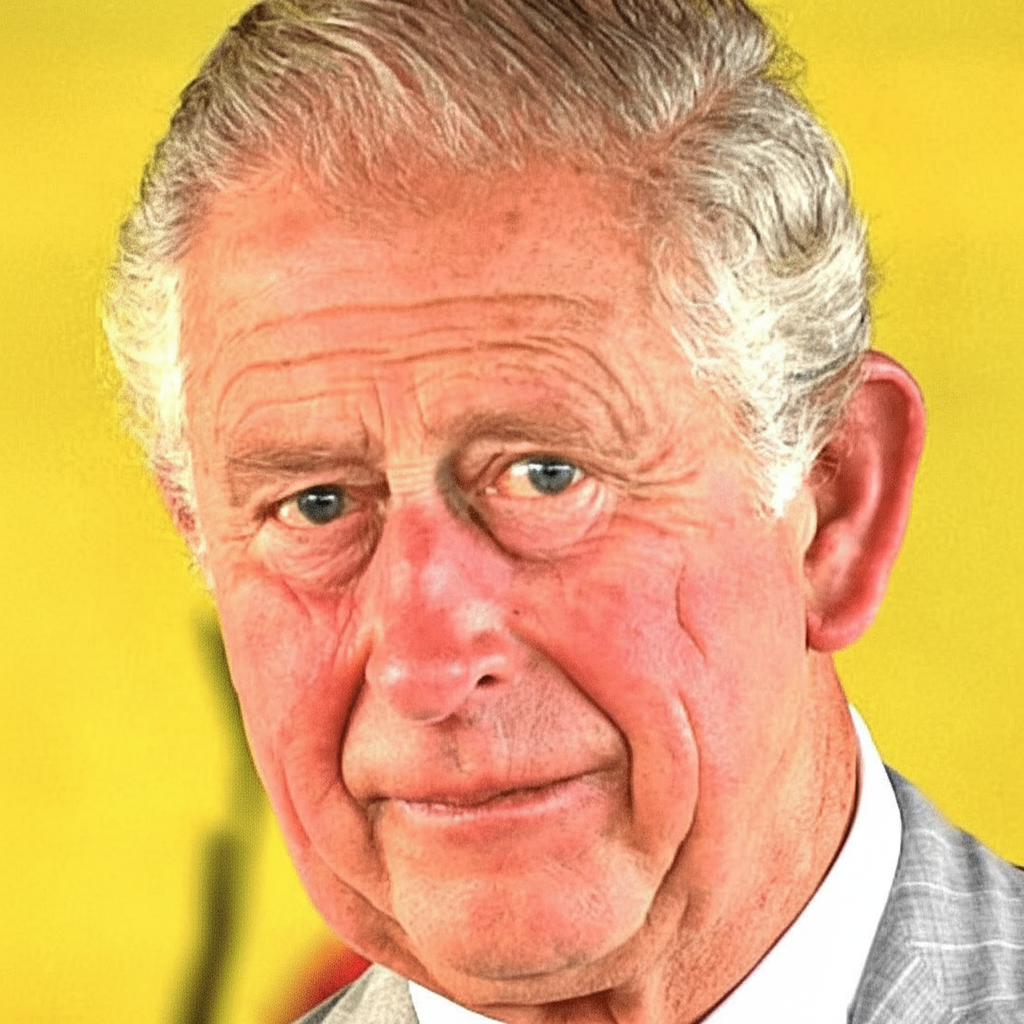
 The Weight of the Crown: King Charles III’s Health, Operation Menai Bridge, and the Future of the British Monarchy
Introduction: The Intersection of Mortality, Duty, and the Monarchy
In the modern era, the British monarchy exists in a state of constant, intense public scrutiny. Every public appearance, subtle change in physical demeanor, and adjustment to the royal schedule is analyzed by a global audience and a voracious media apparatus. Recently, renewed and intense attention has surrounded King Charles III following a wave of reports and speculation suggesting that his health difficulties may be more severe than his public engagements indicate.
Claims circulating in various media outlets and among royal commentators have described the monarch as “still very sick,” prompting widespread discussion regarding his ongoing cancer treatment, the daily execution of his royal responsibilities, and the meticulous, highly classified preparations associated with the eventual transition of the monarchy. These narratives present a stark contrast between the King’s visible, steadfast participation in public life and the darker speculation about the private physical challenges he may continue to face.
While his public appearances have frequently projected an image of resilience and gradual improvement, underlying reports suggest that individuals close to the royal household remain deeply concerned about his long-term prognosis. However, it is vital to approach these accounts with analytical rigor. Such claims do not definitively establish that the King’s health has recently or drastically deteriorated. The specific, verified medical details behind these assertions have not been released by Buckingham Palace, making it imperative to distinguish between reported public concern and confirmed medical developments.
Simultaneously, the discourse has been heavily influenced by renewed focus on Operation Menai Bridge, the official governmental and royal codename for the planning of King Charles’s eventual death and state funeral. The mere mention of these preparations often triggers public anxiety, though the existence of such exhaustive planning is a standard constitutional necessity and does not, in itself, indicate an immediate medical emergency. To fully understand the current climate surrounding the King, one must examine not only the rumors of his health but also the extensive history of his personal life, his specific medical journey, the institutional mechanics of the Crown, and the evolving role of his heir, Prince William.
Part I: The Medical Reality: King Charles III’s Health Journey
The Cancer Diagnosis and Treatment
The central backdrop to the current health speculation is King Charles’s cancer diagnosis. In February 2024, Buckingham Palace announced that the King had been diagnosed with a form of cancer after undergoing a procedure for a pre-existing, enlarged prostate condition. Subsequent reports and royal confirmations identified this as prostate cancer.
Unlike the historical approach of previous monarchs, who often kept medical issues entirely hidden from the public, King Charles opted for a degree of transparency. He publicly announced his diagnosis and subsequently undertook a rigorous schedule of regular outpatient treatments. This decision to be public about his illness was seen as a modernizing step, aiming to destigmatize cancer and encourage others, particularly men, to seek early medical advice.
However, cancer treatment—especially for a man in his late seventies (the King was born in November 1948, making him 77 years old as of late 2026)—is inherently grueling. The side effects of regular treatments, which often include fatigue, immune system suppression, and physical weakness, can fluctuate. This natural ebb and flow of treatment side effects often fuels public speculation. When the King cancels or delegates engagements, or when he appears physically thinner or more fatigued in public, it is immediately interpreted through the lens of his cancer battle.
A Historical Context of Health and Wellness
To understand the public’s fascination with the King’s health, one must look at his lifelong, highly publicized relationship with health, wellness, and alternative medicine. For decades before ascending to the throne, Charles was a vocal advocate for holistic health, organic farming, and alternative therapies. He famously consulted faith healers, utilized homeopathy, and championed integrative medicine.
This historical context complicates the public narrative. When reports surface that the King is struggling, the public and media often conflate his current, strictly conventional medical treatment for cancer with his past, more eclectic health philosophies. In reality, since his diagnosis, the King has been under the care of top-tier conventional oncologists at institutions like the King Edward VII’s Hospital and the London Clinic. The contrast between his historical wellness advocacy and his current reliance on modern oncology highlights the severe, life-altering nature of his current medical reality.
Part II: The Facade of Duty: Public Appearances vs. Private Realities
The “Show Must Go On” Mentality
A recurring and deeply ingrained theme in the British royal family is the doctrine of “never complain, never explain,” coupled with the belief that the show must go on. King Charles III has spent his entire life in the public eye, first as the longest-serving heir apparent in British history, and now as Sovereign. He possesses a profound, almost spiritual sense of duty to the institution.
Consequently, the King has continued to fulfill a robust schedule of state duties, audiences with Prime Ministers, investitures, and diplomatic engagements, even while undergoing active cancer treatment. To the public, these appearances create an impression of stability and recovery. Yet, as the circulating reports suggest, continuing to work does not equate to being cured.
The physical toll of kingship is immense. State banquets require hours of standing, smiling, and engaging in high-stakes diplomatic conversation. Overseas tours involve grueling travel schedules across multiple time zones. For a patient undergoing regular cancer treatment, maintaining this pace requires immense physical and psychological fortitude. The reports suggesting he is “still very sick” likely stem from the visible exhaustion that accompanies such a relentless schedule combined with ongoing medical treatment.
The Psychological Toll of Public Scrutiny
Beyond the physical symptoms, the psychological burden of being a monarch with a serious illness cannot be overstated. King Charles is acutely aware that every public outing is scrutinized for signs of physical decline. This creates a paradoxical environment: he must appear well enough to reassure the nation and maintain the dignity of the Crown, but he must also manage his private physical limitations.
The assertion that his condition may be “more difficult than members of the public have been led to understand” speaks to this dichotomy. It is highly probable that the King experiences days of severe fatigue or discomfort that are entirely hidden from the public by careful scheduling, makeup, and sheer willpower. However, without verified medical updates, the public must recognize that a private struggle with the side effects of treatment is not necessarily synonymous with a terminal decline.
Part III: Operation Menai Bridge: The Logistics of a Modern State Funeral
The Anatomy of the Codename
Alongside the health claims, intense attention has focused on Operation Menai Bridge. In the British government and royal household, every major event concerning the royal family has a codename. While the world became familiar with Operation London Bridge (the plan for Queen Elizabeth II’s death) and Operation Forth Bridge (the plan for Prince Philip), Operation Menai Bridge is the specific framework for King Charles III.
The codename is deeply symbolic. The Menai Suspension Bridge connects the mainland of Wales to the Isle of Anglesey. Charles held the title of Prince of Wales for an unprecedented 64 years, longer than any other heir apparent in British history. He developed a profound, lifelong connection to Wales, its language, and its people. Naming his funeral plan after a iconic Welsh bridge is a poignant tribute to his identity before he became King.
The Mechanics of the Transition
Operation Menai Bridge is not merely a funeral plan; it is a comprehensive constitutional, logistical, and media blueprint. It details the exact minute-by-minute procedures that will occur from the moment the King passes away. This includes:
The Notification Chain: How the Prime Minister, the Privy Council, and the Commonwealth realms will be notified.
The Accession Council: The formal proclamation of the new monarch (Prince William) at St James’s Palace.
The Lying-in-State: The logistics of allowing the public to view the King’s coffin in Westminster Hall.
The State Funeral: The ceremonial details, the guest list of global dignitaries, and the military procession.
The Committal: The final burial or interment, which is expected to take place at the King George VI Memorial Chapel at Windsor, alongside his parents and eventually his wife, Queen Camilla.
Personalizing the Royal Funeral
A unique aspect of the reports surrounding Operation Menai Bridge is the emphasis on ensuring the funeral reflects King Charles’s personal wishes. Historically, royal funerals have been heavily bound by rigid, centuries-old tradition, often prioritizing state pomp over personal sentiment.
However, King Charles is known to have a more personalized, environmentally conscious, and slightly less ostentatious vision for his legacy. Reports suggest he has been involved in discussions to ensure his funeral, while still being a massive state event, incorporates elements that reflect his personal values. This might include specific musical choices, a focus on environmental sustainability in the floral arrangements and logistics, and a slightly shorter or more intimate committal service compared to the sheer scale of the Queen’s funeral.
It is crucial to reiterate that the existence of these detailed plans is a matter of constitutional preparedness. The UK government must be ready for the death of the Head of State at any moment. The activation of these plans is entirely separate from the King’s current medical status.
Part IV: The Heir Apparent: Prince William’s Ascension to the Forefront
The Shift in Royal Responsibilities
As King Charles manages his health, the most visible operational change within the royal family has been the increased involvement of William, Prince of Wales. As the heir apparent, William’s primary constitutional duty is to be ready to assume the Crown at a moment’s notice. However, in practical terms, his role has expanded significantly to support his father.
When the King’s treatment schedule requires him to rest, or when he is advised to limit overseas travel, Prince William seamlessly steps into the breach. He has taken on a heavier load of state visits, diplomatic receptions, and domestic engagements. This shift has attracted attention because it ensures the monarchy’s public functions continue uninterrupted, projecting an image of institutional stability.
William’s Modernizing Influence
Prince William’s expanded role is not just about filling a schedule; it is about projecting the future of the monarchy. William, alongside Catherine, Princess of Wales, represents a younger, more modern iteration of the royal family. While King Charles’s reign has been defined by his lifelong passions—environmentalism, architecture, and interfaith dialogue—William’s focus is heavily oriented toward mental health advocacy (through his “Heads Together” initiative), ending homelessness (via his work with Centrepoint), and environmental conservation (through the Earthshot Prize).
By taking on greater responsibilities, William is effectively “shadowing” the kingship. He is building his own diplomatic relationships, understanding the nuances of the constitutional monarchy, and establishing his public rapport. This transition of duties is a natural and healthy evolution of the royal family, ensuring that when the time comes for William to become King, he will be entirely prepared for the role. It does not indicate that King Charles is stepping down, but rather that the family is operating as a cohesive, supportive unit.
Part V: The “Slimmed-Down” Monarchy: Charles’s Vision vs. William’s Future
The Institutional Context
To understand the current dynamics, one must understand King Charles’s vision for the monarchy. For decades, Charles advocated for a “slimmed-down” monarchy. He believed that the institution should be smaller, more efficient, and focused strictly on the core working royals, thereby reducing the financial burden on the taxpayer and the public footprint of the family.
As King, he has attempted to implement this vision. The number of working royals has been reduced, and the focus is heavily on Charles, Camilla, William, and Catherine. However, this model relies heavily on the physical health and stamina of the senior members. When the monarch’s health is in question, the “slimmed-down” model is put under immense pressure. If the King is unwell, the burden falls disproportionately on the Prince and Princess of Wales.
The Future of the Institution
The current health discussions inevitably lead to questions about the future of the monarchy under King William. Will William maintain his father’s slimmed-down model, or will he expand the working family to include his own children (Prince George, Princess Charlotte, and Prince Louis) and perhaps his brother, Prince Harry (should Harry’s relationship with the family mend), or other minor royals like the Duke and Duchess of Kent or the Duke of Gloucester?
The current period of the King’s health struggles serves as a stress test for the institution. It highlights the vulnerabilities of relying on a small number of working royals and underscores the vital importance of Prince William’s readiness to assume a heavier load.
Part VI: The Human Element: Friends, Family, and the Burden of the Crown
The Inner Circle’s Concern
The reports also suggest that some of King Charles’s close friends and confidants have found it difficult to remain optimistic about his health. This adds a deeply human and emotional dimension to what is otherwise a highly institutional and constitutional story.
The King is surrounded by a tight-knit circle of private secretaries, equerries, and lifelong friends who have served him for decades. These individuals see the King not just as a Sovereign, but as a man in his late seventies battling a formidable disease. Their reported anxiety reflects the natural human response to watching a loved one endure the grueling reality of cancer treatment.
Cancer, particularly in older patients, is often a marathon rather than a sprint. It involves periods of remission, periods of stability, and periods of decline. The emotional toll on the family and close friends is immense. Queen Camilla, in particular, has been a steadfast presence by his side, adjusting her own schedule to support him, a testament to the personal sacrifices required of the royal consort.
The Isolation of the Monarch
Furthermore, these reports highlight the profound isolation that can accompany the Crown. Despite being surrounded by staff and adored by millions, the King’s medical reality is ultimately a private burden. The strict boundaries of royal protocol mean that he cannot easily share his vulnerabilities with the public. The concern of his friends underscores the reality that behind the polished public appearances and the constitutional duties, there is a man facing a life-threatening illness, relying on the support of his inner circle to navigate the physical and emotional pain.
Part VII: Separating Fact from Speculation: A Media and Public Analysis
The Anatomy of Royal Rumors
In the digital age, the line between verified news and speculative rumor is often blurred. The British royal family is a global commodity, and the media ecosystem surrounding them is highly lucrative. Consequently, there is a financial and editorial incentive to generate headlines regarding the King’s health.
When analyzing the current reports, it is essential to separate the established facts from the speculative narratives:
Fact: King Charles III was diagnosed with prostate cancer and is undergoing regular treatment.
Fact: He continues to perform his constitutional duties, albeit with some adjustments to his schedule.
Fact: Operation Menai Bridge exists and is the official plan for his death and funeral.
Fact: Prince William has taken on an increased share of royal duties to support his father.
Speculation: The King is “still very sick” and his condition is worse than the public knows. (While he is undoubtedly dealing with a serious illness, the specific severity and trajectory remain private).
Speculation: Operation Menai Bridge has been activated or is in an “emergency stage.” (The plan is always in a state of readiness; it is not activated until the monarch passes).
Speculation: Prince William is formally replacing the King or a transfer of the crown is underway. (William is supporting the King; there is no abdication or transfer of power occurring).
The Palace’s Communication Strategy
Buckingham Palace operates under strict medical privacy laws and a long-standing tradition of not commenting on the specific health details of the Sovereign unless absolutely necessary. This silence, while respecting the King’s right to medical privacy, inevitably creates an information vacuum.
In the absence of official medical bulletins, the media and the public fill the void with speculation. The Palace’s focus remains on the King’s wishes and the continuity of the Crown, deliberately avoiding daily updates on his health to prevent the monarchy from being defined solely by the King’s medical status.
Conclusion: The Enduring Nature of the Institution
The renewed attention surrounding King Charles III’s health, the meticulous planning of Operation Menai Bridge, and the expanded role of Prince William are all deeply interconnected elements of the modern British monarchy. They reflect a fascinating intersection of human mortality and institutional immortality.
King Charles III has dedicated his entire life to the service of the Crown. His current battle with cancer is the latest, and perhaps most profound, challenge in a lifetime of duty. The reports of his continued struggles, while unsettling to his supporters, are a reminder of the physical realities of aging and illness, even for those who wear the Crown.
However, the strength of the British monarchy lies in its continuity. The existence of Operation Menai Bridge is not a sign of immediate doom, but a testament to the state’s preparedness. The increased duties of Prince William are not a sign of the King’s failure, but a demonstration of the seamless generational transition that the institution was designed to facilitate.
While the circulating claims describe a potentially troubling personal situation for the King, they do not establish that he has experienced a sudden, terminal medical decline, nor do they indicate that the monarchy is facing an immediate, unplanned change. The central reality remains the distinction between the private, human struggle with illness and the public, constitutional continuity of the Crown.
Until further verified details are released by Buckingham Palace, the public must view claims about the absolute seriousness of his condition and the urgency of the funeral plans with cautious objectivity. For now, the narrative reflects a nation’s enduring concern for a monarch they have known for most of their lives, the steadfast support of his family, and the quiet, efficient preparations that ensure the Crown will endure, regardless of the mortal challenges faced by the individual who currently wears it.