Barack Obama: A Comprehensive Biography
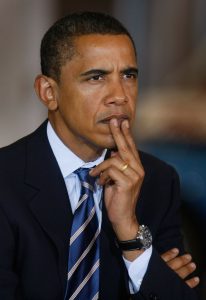
Barack Hussein Obama II is an American lawyer, author, and politician who served as the 44th president of the United States from 2009 to 2017. A member of the Democratic Party, he made history by becoming the first African American to hold the nation’s highest office. His election in 2008 was widely viewed as a watershed moment in American history, symbolizing a profound shift in the nation’s racial and political landscape.
Born on August 4, 1961, in Honolulu, Hawaii, Obama’s journey from a multicultural upbringing to the pinnacle of global power is a defining narrative of modern American politics. His background, education, early career as a community organizer and constitutional lawyer, and rapid rise through Illinois and national politics culminated in a transformative two-term presidency.
### Early Life and Family
Barack Hussein Obama II was born to Barack Obama Sr., a Kenyan economist and goat herder who won a scholarship to study in the United States, and Ann Dunham, a white American anthropologist from Wichita, Kansas. They met as students at the University of Hawaii.
His parents separated when he was just two years old and divorced in 1964. His father returned to Kenya, and Obama saw him only once more, when he was ten. His mother later married Lolo Soetoro, an Indonesian student. The family moved to Jakarta, Indonesia, in 1967, where young Obama attended local schools and experienced the stark contrasts of developing-world poverty and diverse cultures.
In 1971, Obama returned to Honolulu to live with his maternal grandparents, Stanley and Madelyn Dunham, and attend the prestigious Punahou School. His teenage years in Hawaii were marked by a deep struggle with his racial identity and the absence of his father. This complex, multicultural childhood—navigating the worlds of rural Kenya, urban Indonesia, and middle-class Hawaii—profoundly shaped his worldview. It later informed his nuanced, empathetic approach to discussing race, globalization, citizenship, and the multifaceted American experience.
### Education and Early Career
Obama’s academic journey began at Occidental College in Los Angeles, where he first began to seriously engage with issues of race and imperialism. After two years, he transferred to Columbia University in New York City. He graduated in 1983 with a Bachelor of Arts in political science, specializing in international relations and English literature.
After college, Obama moved to Chicago in 1985 to work as a community organizer. He directed the Developing Communities Project, a church-based initiative on the city’s South Side. He helped residents navigate issues like asbestos removal in public housing, job training programs, and after-school initiatives. This grassroots experience grounded his political philosophy, teaching him the mechanics of local empowerment and the deep systemic inequalities facing disadvantaged neighborhoods.
Seeking a more systemic way to effect change, Obama enrolled at Harvard Law School in 1988. In 1990, he made national news when he was elected the first Black president of the prestigious *Harvard Law Review*. This achievement led to a book contract and a summer job at a prominent Chicago law firm. He graduated *magna cum laude* in 1991.
Returning to Chicago, Obama worked as a civil rights attorney at the firm of Miner, Barnhill & Galland, specializing in voting rights and employment discrimination. He also served as a lecturer and later a senior lecturer in constitutional law at the University of Chicago Law School.
### Marriage to Michelle Obama and Family Life
In the summer of 1989, while working as a summer associate at the Sidley Austin law firm in Chicago, Obama was assigned Michelle Robinson, a young Harvard-educated lawyer, as his mentor. Despite initial professional boundaries, they began dating and were married in 1992.
Michelle Obama, who would later become a highly influential First Lady in her own right, brought a fierce independence and sharp intellect to the partnership. The couple has two daughters, Malia (born 1998) and Sasha (born 2001).
During the presidency, Michelle Obama launched highly successful initiatives, including *Let’s Move!* to combat childhood obesity, *Joining Forces* to support military veterans and their families, and *Reach Higher* to encourage students to pursue education beyond high school. The Obamas worked diligently to provide a sense of normalcy for their daughters, famously instituting strict rules about their daughters’ privacy, limiting their media exposure, and ensuring they did their own chores and homework in the White House.
### Entering Politics
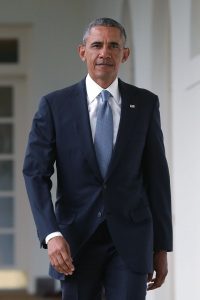
Obama’s political career began in the Illinois State Senate. Elected in 1996 to represent the 13th District, he served for eight years. Known as a pragmatic Democrat, he worked across the aisle with Republicans to pass ethics reform, expand healthcare and childcare subsidies for the working poor, and increase the Earned Income Tax Credit.
In 2000, he made an unsuccessful, highly competitive bid for the U.S. House of Representatives. Learning from the defeat, he ran for the U.S. Senate in 2004. His campaign was boosted by a lack of strong Democratic opposition and a highly effective grassroots strategy.
However, it was his keynote address at the July 2004 Democratic National Convention in Boston that catapulted him to national stardom. Speaking to a prime-time television audience, he delivered a soaring message of American unity, famously declaring: *”There is not a Black America and a White America and Latino America and Asian America; there’s the United States of America.”*
Easily winning his Senate seat, Obama served only about four years in the U.S. Senate. During this brief tenure, he focused on ethics and lobbying reform, post-9/11 veterans’ care, nuclear nonproliferation (notably partnering with Republican Senator Richard Lugar to secure loose weapons globally), and immigration reform.
### The 2008 Presidential Campaign
On February 10, 2007, Obama announced his candidacy for the Democratic presidential nomination in Springfield, Illinois, the home of Abraham Lincoln, deliberately invoking the legacy of the Great Emancipator.
His campaign was built on a platform of “Hope and Change,” opposing the Iraq War, and promising to heal the bitter partisan divides in Washington. His campaign revolutionized political fundraising and organizing, utilizing the internet, social media, and small-dollar donations to build a massive grassroots army.
The Democratic primary was a grueling, historic battle against former Secretary of State and Senator Hillary Clinton. After a fiercely contested series of primaries and caucuses, Obama secured the nomination in June 2008. He selected Joe Biden, a seasoned senator from Delaware and former chairman of the Foreign Relations Committee, as his vice-presidential running mate to balance his lack of foreign policy and executive experience.
In the November general election, amidst the worst financial crisis since the Great Depression, Obama defeated the Republican nominee, Senator John McCain, winning 365 electoral votes and 52.9% of the popular vote.
### The Obama Presidency (2009–2017)
Obama was inaugurated on January 20, 2009, drawing record crowds to the National Mall. He inherited a nation in crisis: the economy was in freefall, the auto industry was on the brink of collapse, and the U.S. was fighting two complex wars in Iraq and Afghanistan.
#### Economic Recovery and Financial Regulation
One of his first acts was signing the **American Recovery and Reinvestment Act of 2009** (the stimulus), a $787 billion package of federal spending, tax cuts, and investments designed to halt the economic bleeding and create jobs. His administration also orchestrated the rescue of the U.S. auto industry, saving millions of jobs by bailing out General Motors and Chrysler.
To prevent a repeat of the 2008 crisis, Obama signed the **Dodd-Frank Wall Street Reform and Consumer Protection Act** in 2010. It imposed strict regulations on banks, created the Consumer Financial Protection Bureau (CFPB), and aimed to end taxpayer-funded bailouts.
#### The Affordable Care Act (Obamacare)
The crowning domestic legislative achievement of Obama’s first term was the **Affordable Care Act (ACA)**, signed in March 2010. The ACA fundamentally restructured the U.S. healthcare system. It expanded Medicaid, created state-based health insurance marketplaces, mandated that insurers cover people with pre-existing conditions, and allowed young adults to stay on their parents’ plans until age 26. Though it faced relentless legal and political challenges (including a Supreme Court case and numerous repeal attempts), it successfully reduced the uninsured rate in the U.S. to historic lows.
#### Foreign Policy and Counterterrorism
Obama’s foreign policy doctrine emphasized multilateralism, diplomacy, and a more restrained use of military force, often described by critics as “leading from behind.”
He fulfilled a campaign promise by ending the U.S. combat mission in Iraq, though he later had to send special operations forces back to combat the rise of ISIS. In Afghanistan, he ordered a “surge” of troops in 2009 to stabilize the country before beginning a gradual withdrawal.
The defining moment of his national security presidency occurred on **May 1, 2011**, when he authorized **Operation Neptune Spear**. U.S. Navy SEALs raided a compound in Abbottabad, Pakistan, and killed **Osama bin Laden**, the mastermind behind the 9/11 attacks.
Diplomatically, his administration negotiated the **Joint Comprehensive Plan of Action (JCPOA)** in 2015 with Iran, trading sanctions relief for strict limits on Iran’s nuclear program. He also orchestrated a historic thaw in relations with **Cuba**, ending a 54-year diplomatic freeze. Furthermore, he initiated a “pivot to Asia” to counter China’s rising influence and normalized relations with Myanmar.
#### Climate Change and the Environment
Obama made climate change a central pillar of his legacy. Domestically, his EPA implemented the **Clean Power Plan** to reduce carbon emissions from power plants and drastically raised fuel efficiency standards for vehicles. Internationally, he played a crucial role in negotiating the **2015 Paris Agreement**, a landmark global accord to limit greenhouse gas emissions and combat global warming.
#### Supreme Court Appointments
Obama appointed two highly qualified women to the Supreme Court, shifting its ideological balance slightly to the left:
* **Sonia Sotomayor (2009):** The first Hispanic and Latina justice.
* **Elena Kagan (2010):** A former Solicitor General and legal scholar.
#### Social Issues, Gun Violence, and Race
Obama was a transformative figure for social progress. His administration ceased defending the Defense of Marriage Act (DOMA), and he became the first sitting president to publicly endorse same-sex marriage, paving the way for the 2015 *Obergefell v. Hodges* Supreme Court decision. He also signed the repeal of “Don’t Ask, Don’t Tell,” allowing LGBTQ+ individuals to serve openly in the military.
Following the tragic Sandy Hook elementary school shooting in 2012, Obama fought fiercely for universal background checks and assault weapons bans, though he was ultimately blocked by a Republican-controlled Congress. He often spoke with deep emotion about gun violence, frequently shedding tears when discussing the victims.
As the first Black president, race was inextricably linked to his tenure. He faced the vitriol of the “birther” movement and the rise of the Tea Party. He navigated the rise of the Black Lives Matter movement with a careful balance, acknowledging systemic racism and police brutality while urging for empathy, criminal justice reform, and community policing. His eulogy for the victims of the 2015 Charleston church shooting, where he spontaneously broke into song to sing “Amazing Grace,” remains one of the most powerful speeches of his presidency.
#### Reelection in 2012 and Second Term
In 2012, Obama defeated Republican nominee Mitt Romney. His second term was marked by a more assertive use of executive action, particularly after Republicans took control of the House in 2010 and the Senate in 2014.
In 2012, he created the **Deferred Action for Childhood Arrivals (DACA)** program via executive order, protecting hundreds of thousands of “Dreamers” (undocumented immigrants brought to the U.S. as children) from deportation. He also implemented executive actions to tighten gun control and expand climate regulations.
### The Nobel Peace Prize
In October 2009, just months into his first term, Obama was awarded the **Nobel Peace Prize**. The Norwegian Nobel Committee cited his “extraordinary efforts to strengthen international diplomacy and cooperation between peoples,” as well as his vision of a nuclear-free world. The award was highly controversial, as many felt it was awarded for his aspirations rather than concrete achievements, a point Obama himself acknowledged in his acceptance speech.
### Leaving the White House
Barack Obama left office on January 20, 2017, with an approval rating of around 60%, handing over the presidency to Republican Donald Trump. He left as a highly popular figure, though his presidency was also marked by deep partisan polarization and the loss of nearly 1,000 state and congressional seats during his tenure.
### Post-Presidency and Current Endeavors
Unlike some predecessors, Obama has maintained a relatively low public profile, focusing on institution-building, writing, and media.
**The Obama Foundation:**
The couple’s primary post-presidential vehicle is the Obama Foundation, which focuses on inspiring and empowering young leaders globally. Its flagship project is the **Obama Presidential Center**, a massive, state-of-the-art museum and community hub being built in Jackson Park on the South Side of Chicago, designed to be an economic and cultural engine for the surrounding neighborhoods.
**Author and Media Mogul:**
Obama is a prolific and highly successful author. His memoirs, *Dreams from My Father* (1995) and *The Audacity of Hope* (2006), were bestsellers. In 2020, he published the first volume of his presidential memoirs, ***A Promised Land***, which was a massive commercial and critical success, praised for its candid, reflective, and highly literary prose.
**Higher Ground Productions:**
In 2018, Barack and Michelle Obama signed lucrative, multi-year deals with Netflix to form **Higher Ground Productions**. The company has produced critically acclaimed documentaries and series, including the Oscar-winning *American Factory*, the series *Our Great National Parks* (narrated by Obama), and the documentary *Becoming* (following Michelle). They also signed a deal with Spotify for their podcast company, though they later shifted their audio content exclusively to Netflix.
### Legacy and Historical Assessment
Barack Obama’s legacy is complex and continues to be debated by historians and political scientists.
**Achievements:** He is celebrated for steering the U.S. out of the worst economic crisis since the 1930s, passing the most significant healthcare reform since Medicare and Medicaid, killing the world’s most wanted terrorist, restoring diplomatic relations with historical adversaries, and making the U.S. a global leader in climate action. Symbolically, his very presence in the Oval Office permanently altered the global perception of American democracy and race relations.
**Criticisms:** Conversely, he faces criticism from the left for his reliance on drone warfare, his administration’s high number of immigrant deportations, his cautious approach to criminal justice reform, and his failure to pass major immigration reform or close the Guantanamo Bay detention camp. From the right, he is criticized for expanding the federal government’s power, increasing the national debt, and pursuing policies that his detractors argue harmed the American economy and energy sector.
Today, Barack and Michelle Obama remain among the most respected and recognizable political figures in the world. They continue to influence global conversations on democracy, leadership, and civic engagement.
Barack Obama’s story—from a boy searching for his identity in Hawaii and Indonesia, to a community organizer in Chicago, to the leader of the free world—remains a quintessential American narrative. His eight years in the White House not only navigated the country through unprecedented crises but also expanded the boundaries of who can hold the highest office in the land, leaving an indelible mark on the 21st century.
Behind the polished speeches and historic policy achievements, Barack Obama’s presidency and personal life were defined by a highly structured, deeply human, and often surprising set of behind-the-scenes habits. From his inner circle’s dynamics to his private rituals, here is an intimate look at the man behind the 44th presidency.
### 1. The Daily Rhythm and Discipline
Obama’s days were governed by strict discipline and a “no surprises” management philosophy. He typically woke up around 6:30 a.m., starting his day not with immediate briefings, but with a rigorous 45-minute workout in the White House gym, followed by a light breakfast of eggs, toast, and fruit. He was famously protective of his health; after taking office, he successfully quit smoking, a habit he had struggled with for years, though he occasionally admitted to slipping up during periods of extreme stress. His schedule was meticulously managed to ensure he had time to read, think, and maintain his physical and mental resilience.
### 2. The Secret Nightly Ritual: Ten Letters
One of the most touching and lesser-known habits of Obama’s presidency began on his second full day in office. He instructed the White House mailroom to pull exactly ten letters from ordinary citizens every single night and place them in a red folder on his desk. Regardless of how grueling the day had been, he made it a non-negotiable ritual to read these ten letters before bed. This practice was his anchor, ensuring he never lost touch with the everyday struggles, hopes, and grievances of the American people amidst the bubble of the West Wing.
### 3. The Inner Circle and the “Body Man”
Obama inspired fierce loyalty from a tight-knit group of aides who had been with him since his early Senate days. Central to his daily life was his “body man” (personal aide), most notably Reggie Love, a former college basketball player. Love’s job was to manage Obama’s immediate schedule, carry his bags, hold the “football” (the nuclear launch codes), and ensure the president was always fed and on time. More importantly, Love served as a decompression valve, frequently playing one-on-one basketball with the president in the evenings to help him blow off steam. Senior advisors like Valerie Jarrett, David Axelrod, and Ben Rhodes were treated less like employees and more like an extended family, with Obama famously defending them against public criticism.
### 4. “No Drama Obama” and the Treaty Room
Obama’s working style was famously deliberative, earning him the nickname “No Drama Obama.” He was a data-driven leader who distrusted gut reactions. During major crises, he would retreat to the Treaty Room on the second floor of the White House residence, often late into the night, to read thick, densely annotated briefing books. He also institutionalized a “red folder” system for major decisions, which deliberately included dissenting opinions and worst-case scenarios to prevent “groupthink” among his advisors.
### 5. White House Family Life and “Unwritten Rules”
Despite the immense pressure of the office, Barack and Michelle Obama worked tirelessly to give daughters Malia and Sasha a grounded upbringing. Michelle enforced strict, unwritten rules: the girls had to make their own beds, do their chores, and write thank-you notes, with no exceptions for living in the White House. The family maintained a sacred tradition of Friday night pizza and movie nights in the private residence. The White House was also home to their Portuguese Water Dogs, Bo and later Sunny, who provided moments of levity and were frequently photographed by the staff.
### 6. Pete Souza’s Intimate Lens
Much of what the public knows about Obama’s behind-the-scenes demeanor comes from Pete Souza, the Chief Official White House Photographer. Over eight years, Souza took nearly two million photographs, capturing unguarded moments: Obama checking his watch during a tedious meeting, playfully letting staffers touch his hair, or sitting alone in the Oval Office, head in hand, bearing the weight of the office. Souza’s access was so total that he was often present in the room during historic, classified decisions, including the raid that killed Osama bin Laden.
### 7. Personal Quirks, Hobbies, and Humor
– **The Basketball Court:** An avid basketball fan, Obama famously had the White House tennis court converted into a full basketball court so he could play regularly with staff and friends.
– **The Playlists:** Obama is a noted music nerd. He frequently shared his eclectic playlists with the public, ranging from Jay-Z and Miles Davis to Bruce Springsteen and Beyoncé, using music as a way to connect with younger generations.
– **Dad Jokes and Pranks:** Despite his cerebral reputation, Obama had a mischievous sense of humor. He was known to tell groan-inducing “dad jokes” and occasionally orchestrated harmless pranks on his staff, such as having aides deliver fake, overly complex memos just to watch them panic.
– **Nerd at Heart:** He is a self-professed fan of comic books (especially *Spider-Man* and *X-Men*) and science fiction, often using *Star Trek* and *Game of Thrones* analogies to explain complex geopolitical strategies to his team.
### 8. Post-Presidency Decompression
Since leaving office, Obama has intentionally stepped back from the daily news cycle. He and Michelle settled into a rented home in the Kalorama neighborhood of Washington, D.C., to allow their younger daughter, Sasha, to finish high school privately. His behind-the-scenes life now revolves around a quiet, highly disciplined writing routine. He writes in a secluded home office, often starting early in the morning, relying on the same meticulous, solitary focus that characterized his time in the Treaty Room. He also decompresses through long walks, playing golf, and binge-watching television series with Michelle, a stark contrast to the relentless pace of his presidential years.
In summary, the behind-the-scenes reality of Barack Obama was defined by a deliberate tension: a man who carried the immense, isolating weight of global leadership, yet actively fought to preserve his humanity through quiet rituals, deep loyalty to his team, and an unwavering commitment to his family.